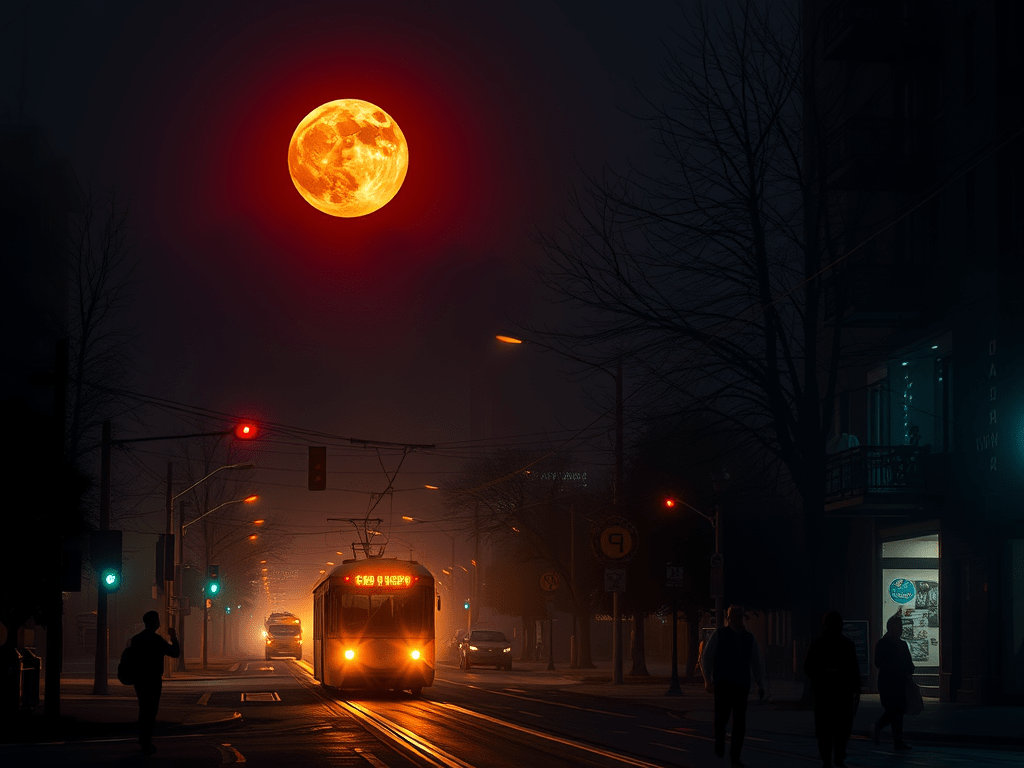
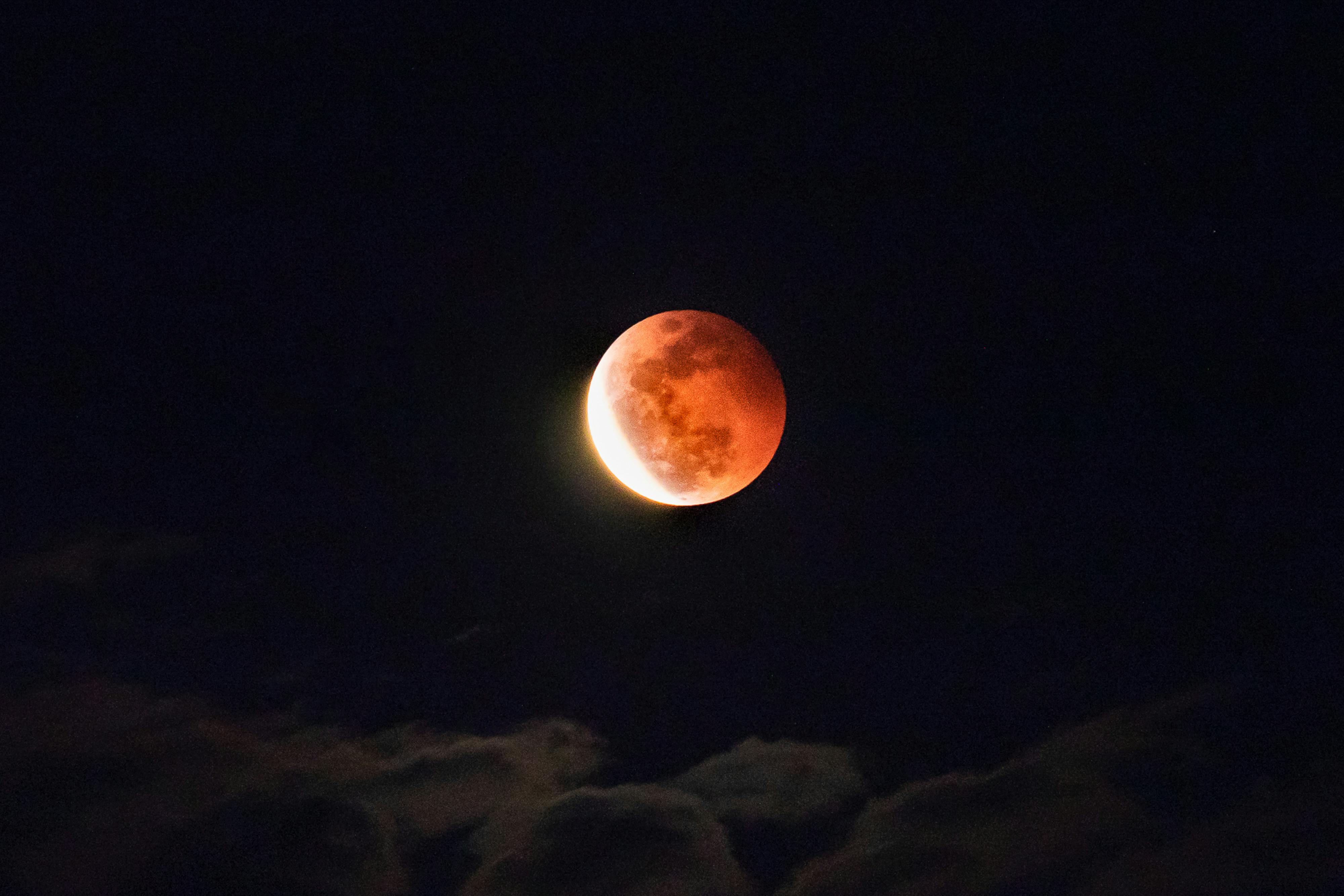
Kichi nipën, or really summer in Unami Lenape, landed heavy sometime just prior to a June trip to Toronto. We rode the rails north to the great city on the last lake for the Zegaajiimo Anthology launch near Trinity Bellwoods. Being June, this was the general high-time for summer in the old times. In the smoke-haze year of our not so great colonial rule, 2025, this high-time of the season of sunshine and leisure broke like a streetcar bell against a sleepy Sunday morning city street. The heat, the heaviness of the air, our drive to push through it, gnawed at the peace that summer is supposed to bring. We were staying up in the St. Clair West neighbour, walking as one does in the city on Friday, taking in the general feel and vibe of the place. As night settled in, a blood thirsty moon emerged from the shedding layers of daylight. She rested, oddly enough, above Saint Michaels Collegiate School, and glared down a warning above us.
About a decade ago I was wrapping up work on my first collection, Big Medicine Comes to Erie. The book is now out of print and for the most part Go Down Odawa Way replaced those earlier takes on the deep southern regions of Canada that I had explored. Yet for a series of poems in that collection, I came across tales of the forests being burned down across the lands that would become the American Midwest. The horizon, it was said, glowed into night, and the air was heavy of the aftermath of those fires. Fires that had been purposefully set to deforest the land, wipe it clean of its Indigenousness, prepare it for the detritus of settler farms, towns, and cities. End times had come for both the landscape and the people of Turtle Island. The burning began then. A burning that continues in flares and spasms ever since.
The acrid beauty of this particular kichi nipën did not escape a sense of that familiarity. As a Gen Xer, I grew up in the industrial miasma of Souwesto Ozone Action days in the early and mid-1990s. Brown skies of choking air, smog, were a common aspect of our lives. Once that burning started generations ago, the slow combustion of our world, it never stopped. Our reality, our sufferings, our joys, are and have been forever refracted through the heat and haze of a warming planet, these distant fires alchemically changing us and the entirety of the world into whatever it is that we shall become when the
It should come with little surprise, that we found ourselves more enamored by the softening of St. Clair Avenue West as the day and work week folded away into evening. The air stung and the scent was awful in the way an old ashtray of your less successful aunts and uncles filled any space they took up residence. This was our high-summer, our really summer. This particular day became the measure by which the rest of the season might unfold. And to a strange extent, it might just have been the really summer moment in which one understands that this is might just be the normal for what is to follow. And it might just be the perfect moment, a regular halcyon echo across time, of what the ideal old days might be like when my relations first landed at Waawiiyaatanong. While they were majority Lenape, we were already exiles from our homelands. And the smoke that followed us acted as reminder that what was left behind had been consumed and destroyed.
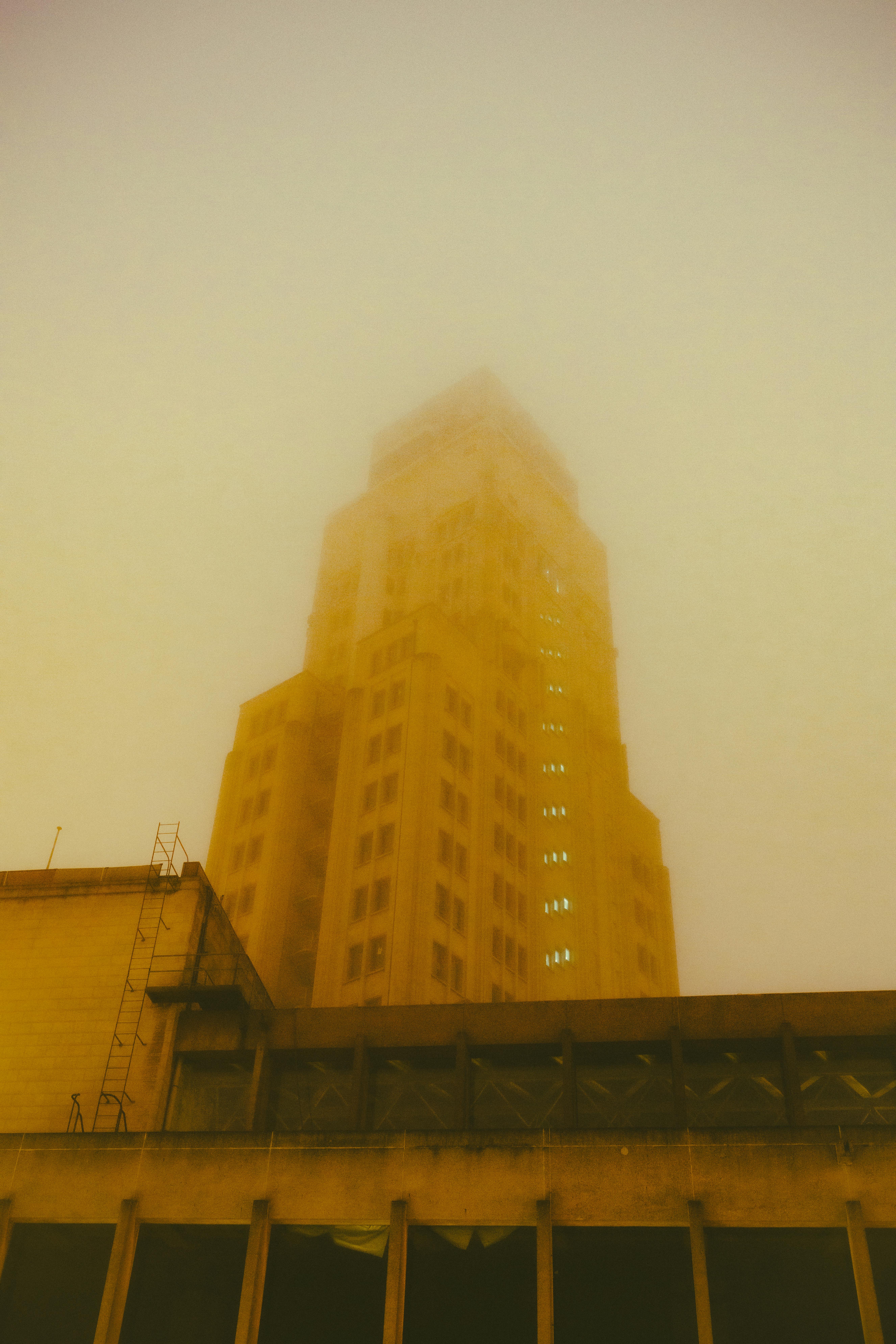
And those senses of a darkness growing, the encroachment of end times, congealed in the woodsmoke heavy air on June. The feelings built atop each other as the smoke trailed into July and August. The path, while familiar, was not a welcome one. When did this world of toxic air and smoke become our natural path? When one knows the old ways, you know that we are surrounded by medicines, spiritual energies, that can be good or bad. These energies are abundant in the land and particularly so where people have lived. How they lived, meaning what was in and outside of their control, feed the medicines of the earth around them. How many of those past violences and massacres lead us to the burning season? Was there an option to ever have avoid this fate that we’ve been ascribed to? One should pause, consider that the passing of the last amiyok (passenger pigeon), the open slaughter of anything alive on the lands around us (trees included), were part of this. We are living through the failures and sins of past generations. And although we can claim a certain moral high ground to many of those that have preceded us on this planet.
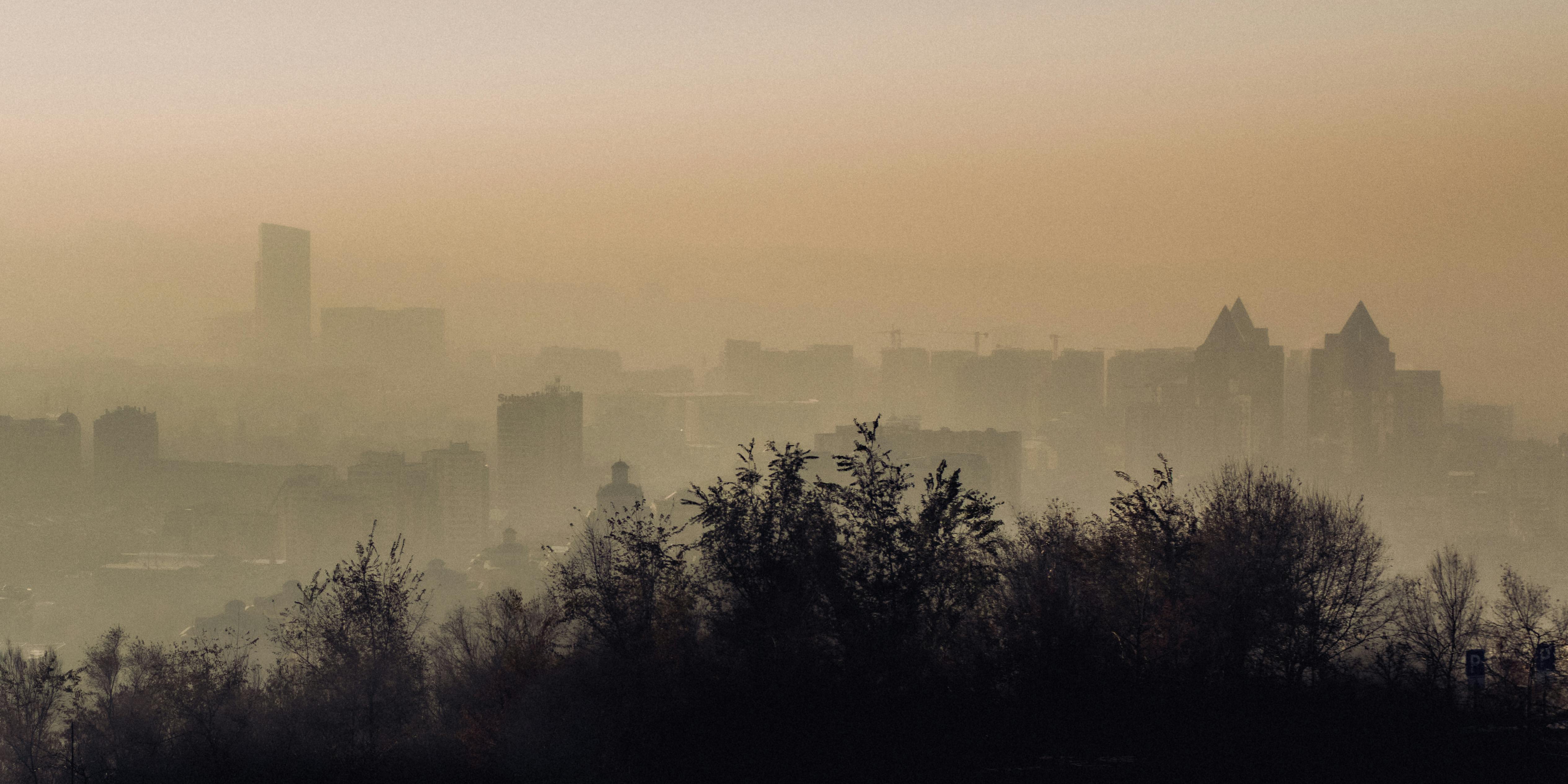
Yet, still most of rivers continue to flow as we have always known them to. And if we are living in the aftermath of past generations worst actions then we are all also survivors of them. Back in the deep south, the Detroit River runs a familiar turquoise beneath the dense air above us. That smoke, these omens of end times, have followed us south from Toronto. In a big way, kichi nipën this year was reminder of where we had come from and on omen as to where we are going. There are more books and more poems to be written about what the river and the sky brings us. And although these distant fires have burned all too often and we can feel the heat of their rage all the more closely, we still have survivor’s blood in our veins. This does not down play the loss and suffering by the growing number of people and communities that have, are, and will face down these fires. In way we are all connected to this terror. Like all those connected pieces, and by seeming rough cruelty, the brunt of the trauma and loss is not carried equally.
This is the coolest, likely least smoke-filled summer of our immediate future. While those days might not be easy by most stretches. What we collect, what we carry, and most importantly what we create out of this next portion of end times is what determines everything. What June’s heavy skies and growing heat ushered in a new, if not ancestrally familiar, summer leaves us with a sense of what our collective future might and could bring us. There is no escaping this from the urban heart of Ontario to the southern hinterlands of the great northlands. From my view of this new season, there is familiarity (sadly), there is terror (of course), and the type of defiance that comes from a long line of survivors. A defiance that states that we will rise from any ashes, so long as we can put the fire out first.
 Wazhashk Poetry
Leave a comment