On Writing, on Community, and Finding a Path Ahead in the Darkness
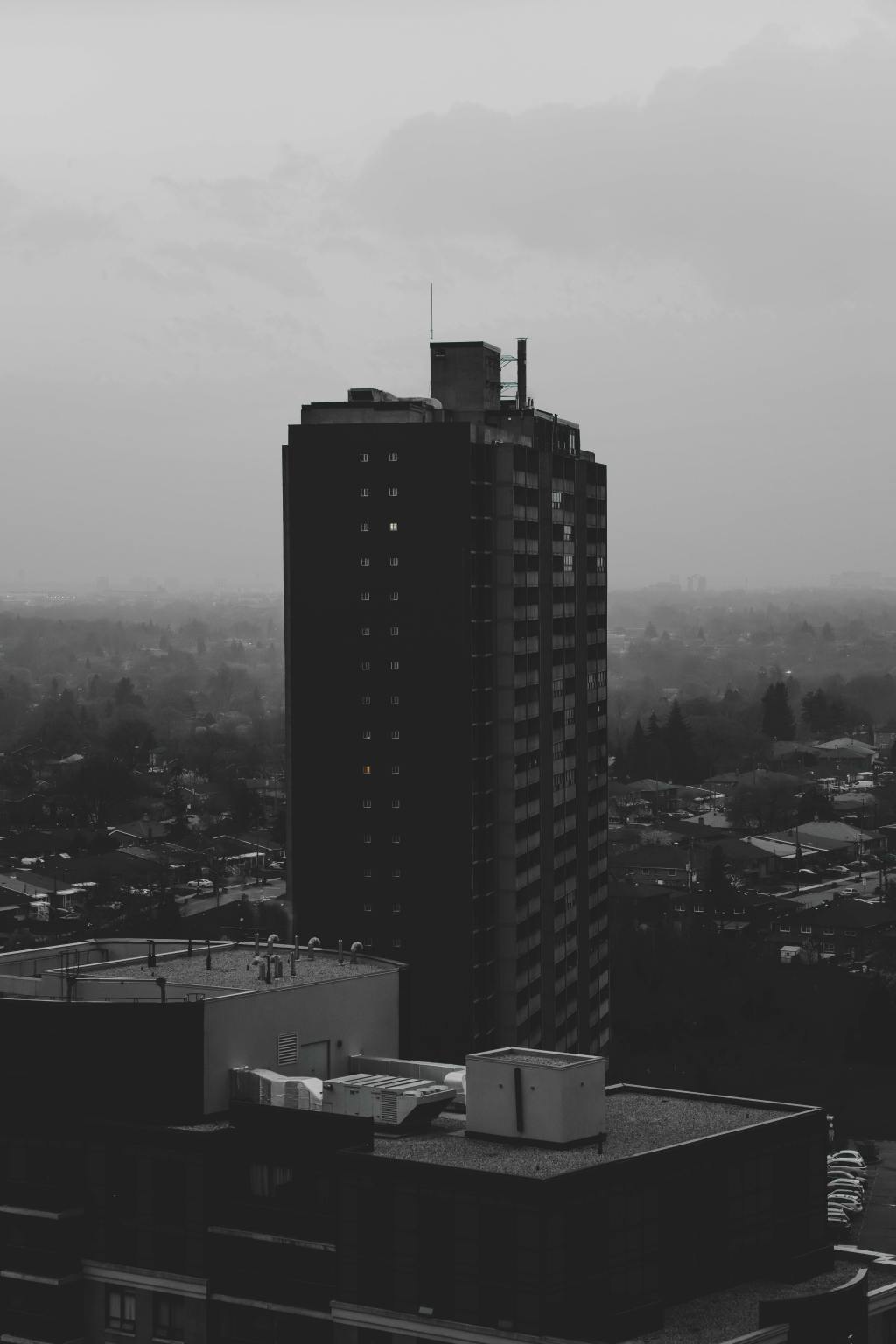
We have entered the portion of time we often consider the darkest among us. Light is a scarce commodity in this season and we feel it in every waking moment. I would like to say that this is mostly a figurative notion rather than a literal one, except that I live in the Great Lakes region where the reign of thick-cloud darkened days is the norm. A density of shadow and a depth of opaque horizons, every light we seem to throw into the mist and grey comes back dull and ineffective, it it comes back at all. Yes, there is light in a literal sense around us. Dim as it might be. And the dimness of this light we can sense down to the spleen. This is lailuwàn, mid-winter in Unami Lenape, a season of stories, a season in which we tend to talk about anything but the weather and anything but what is actually going on around us. A season where, post-holiday, post-family, community and connection falters. This is a season that is much more than simply speaking or creating stories. As writers, as creators, there is much more to our time than hiding out from these darknesses. They threaten to devour us, these shadows.
This urban light is the light of the exhausted worker. The manner that we either crawl to or away from work that is required but rarely wished for. Perhaps this strange half-light, an reflection of our interior selves rather than the large world around us, hurts us in ways that most of us are unaware of.
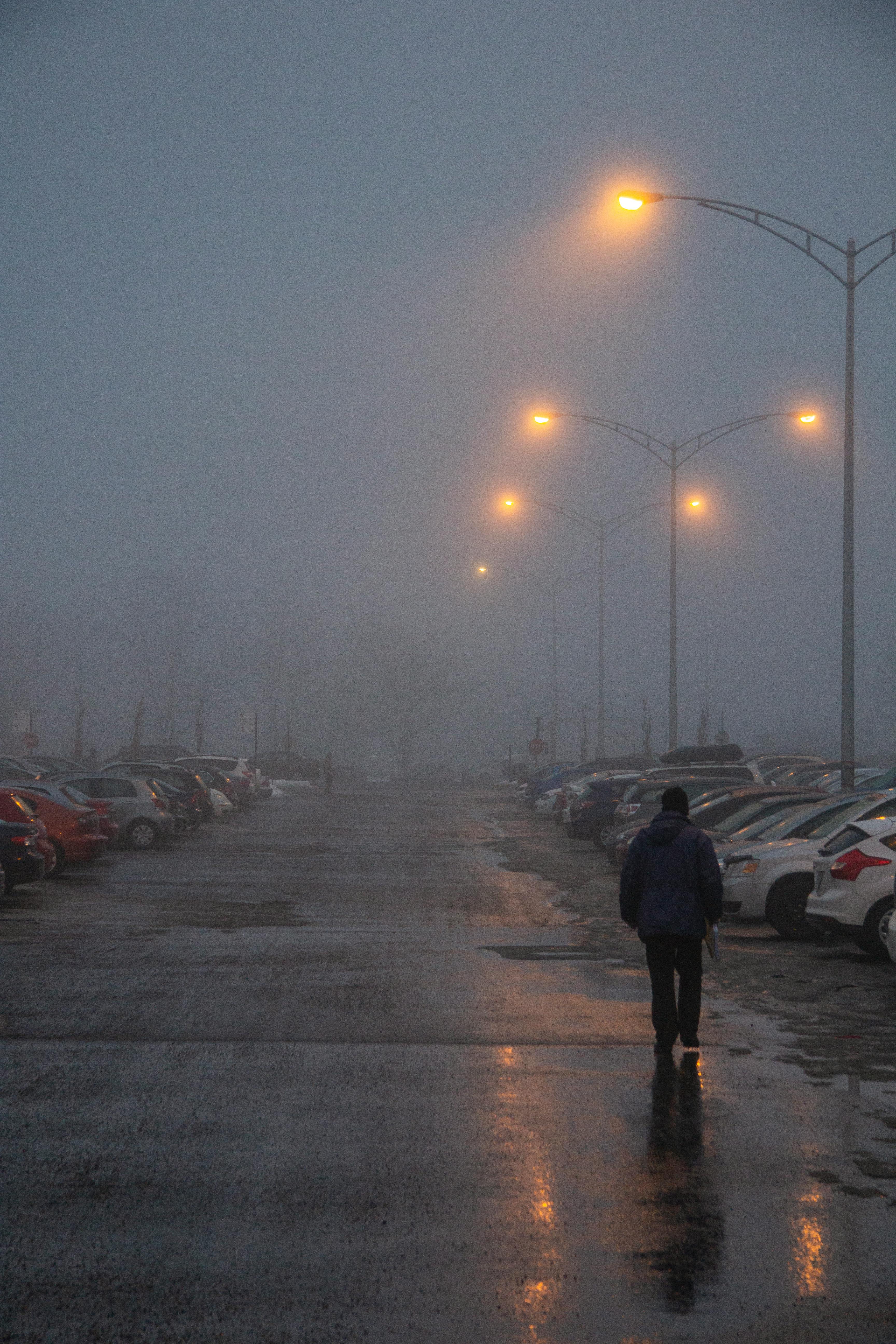
And this means that the path ahead, from the dark to the light, is beset by the light we cast and those lights we follow. True, hard physical darkness is rare for most of us. Few of us live in rural areas where light pollution has yet to seep into the skies above. Our urban areas are bathed in artificial light. Light that is rather paltry beyond our driveways or sidewalks. Metaphysically, the light is still very much absent in any nurturing way. Our urban light is the light of the exhausted worker. The manner that we either crawl to or away from work that is required but rarely wished for. Perhaps this strange half-light, an reflection of our interior selves rather than the large world around us, hurts us in ways that most of us are unaware of. And for our rural selves, the concept is to hibernate beneath the always encroaching night. (At least in central portions of the continent. I understand that places like Montana’s Gallatin Valley embrace and celebrate winter in community way.) How we draw our spirit and our emotions and work through this time is central to not just merely surviving the season, but rather to plant seeds for future harvests.
Part and parcel of being a creative today means that we must draw from our empathy and our relations. What path we choose to follow can be self-serving and work much to the exclusion of our and most often marginalized communities. I consider the inconsiderate writing of works like Catherine Leroux’s The Future. A book which recasts Detroit as a white French city in the contemporary world while taking the trauma of those erased to make a story for outsiders to play Columbus all over again with lands, places, and people that do not belong to anyone but themselves. This is the type of writing where darkness becomes a code for another act of theft, the cleansing of a region of it’s Black, Indigenous, and diverse communities that struggled against darkness that refused to break for decades. Writing from outside the community, self-serving writing, takes the otherness, the Blackness and the resultant struggles, and takes them for white privileged communities to project their own anxieties. Works like Leroux’s The Future are self-serving and damaging. They might be beautiful and well-crafted. Such was and continues to be the case with colonialism. I cannot argue with the quality of the writing or the craft of it all. But the origin point for telling this story is the absolute darkness of the world. And as such, This is the worst that the darkness can cast out. This is the darkness that we all fear we could become.

And community can be a difficult thing to find in our current season. We shuffle about in the cold between beacons of light, braced against the world around us, hoping for warmth and welcome. And that warmth and welcome comes from community. We embrace the totality of our community. And there has undoubtedly been a harsh season surrounding us. Whether it’s the ongoing genocide in Palestine, the ugly rise of fascism, xenophobia, and/or hate around North America the fact is that the darkness does feel almost overwhelming. We need to find ways to not just survive, but to endure in the cold dark seasons between. As a writer, this means something specifically. It means building bridges, creating connection points between and amongst experiences. Theft and then shouting over the preexistent divides will never have good ends, for the community or for the individual. Other peoples lives, the sufferings of other communities, are never one’s corner store to pop into for a base for one’s work.
Coming through lailuwàn means less working for our careers, our publishers, ourselves, and more acting like a “poet as witness” that I spoke about in a previous post. Building and reinforcing our communities are critical. If you need to craft a story of darkness, of overcoming trauma, it is critical to not turn on each other and steal when one’s darkness is never enough to sell books. In a very central way, you can and should consider this to be the anti-capitalism season. One in which we return to the old ways of our ancestors of getting through these times. Shared space, meals, stories, all of this is critical. As the infamous Blue Monday of western culture arrives in just a few days, take a moment to consider one’s citizenship as a writing, what your place in community is, and how you can both build and enhance community to through the darkness that seems to be emboldened and creeping against every portion of our lives with its cold, empty, self.
 Wazhashk Poetry
Leave a comment